
Single Status Certificate to Marry Abroad: Which Document Do You Need?
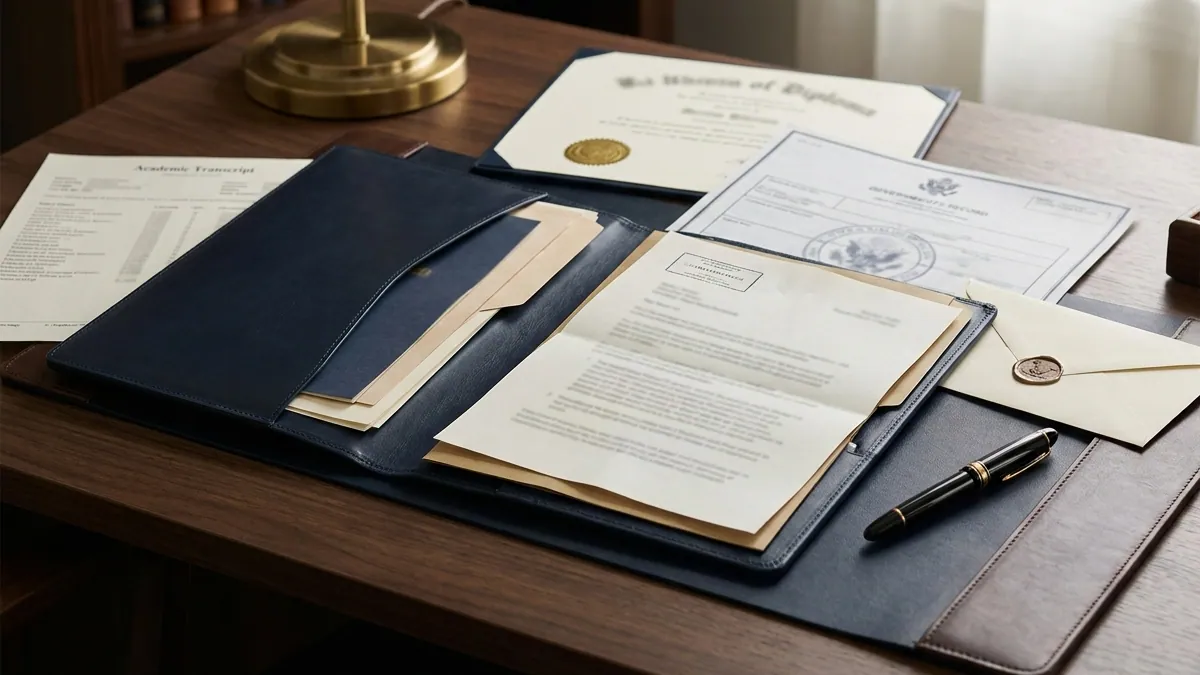
When a U.S. resident wants to marry abroad, the foreign authority may require proof that the person is legally free to marry. That requirement can be satisfied in different ways depending on the country: a sworn single-status affidavit, an affidavit of eligibility to marry, an official search confirming that no marriage record exists, or documents proving that a prior marriage ended, such as a divorce decree or a death certificate. There is no single federal "single status certificate" valid for every country. Before preparing or apostilling any document, confirm exactly what the civil registry, notary, consulate, or marriage authority in the destination country requires.
To prove you are free to marry abroad, you might be asked for a Single Status Affidavit, an Affidavit of Eligibility to Marry, a "No Marriage Record Found" certificate or search, a divorce decree, a deceased spouse's death certificate, an apostille, and an official or certified translation. The correct document depends on the country and the receiving authority.
Not every "single status certificate" is the same
The term "single status certificate" gets used loosely, but in practice it can point to several different documents. These are the four most common:
- Single Status Affidavit: a sworn statement signed by the person before a notary, declaring their marital status and that they are free to marry.
- Affidavit of Eligibility to Marry: a similar declaration, sometimes with specific wording required by the foreign authority.
- No Marriage Record / Single Status Statement: an official search issued by a vital records office confirming that no marriage was found on record during a specified period. Florida is a concrete example: Florida's Bureau of Vital Statistics can search records across all 67 counties and issue an official "No Record Found" statement for marriage-abroad and apostille purposes.
- Divorce decree / death certificate: if the person was previously married, the receiving country may also require proof that the marriage legally ended. The U.S. Department of State explicitly lists a divorce decree or death certificate as a possible requirement for marriage abroad.
The United States does not maintain a single national registry of marital status. Depending on the state and the receiving country, proof may consist of a notarized sworn affidavit or an official marriage-records search issued by a state or local authority.
How to know which one you need
Before signing or requesting any document, ask the foreign authority: 1) the exact name of the document it requires; 2) whether it accepts an affidavit or requires an official certificate; 3) the required search period; 4) whether prior marriages must be mentioned; 5) the maximum validity or allowed age of the document; 6) whether witnesses are required; 7) whether an apostille is needed; 8) whether translation is needed; and 9) who is authorized to translate it.
Step by step
- Confirm the exact requirement: get it in writing from the foreign civil registry, notary, or marriage authority.
- Determine whether you need an affidavit or an official search or statement: do not automatically prepare a sworn affidavit if the authority requires a certificate issued by a state Vital Statistics office.
- Prepare the document: if it is an affidavit, use the required wording and sign it before the appropriate notary; if it is an official Single Status Statement, request it from the competent state authority.
- Get the apostille: a notarized affidavit generally follows the notary's state route; an official certificate follows the route of the authority that issued it.
- Coordinate translation: confirm whether only the document, or also the apostille, needs to be translated.
Example: a Florida resident marrying in Colombia
A Florida resident marrying in Colombia may need recent proof of marital status, depending on what the Colombian authority requires. Depending on the specific instructions, the person might need a notarized sworn affidavit or an official Florida Single Status Statement. If the document requires an apostille, that authentication is processed in Florida. Translation, or formatting the document to match what the Colombian notary requests, may also be necessary. This is only an illustrative example: Colombia does not always require exactly this document, and each case should be confirmed with the receiving authority.
Common mistakes
- Preparing an affidavit when an official certificate is required.
- Requesting a search period that is too short or too outdated.
- Omitting a prior marriage.
- Not providing a divorce decree or death certificate when required.
- Apostilling in the wrong state.
- Signing before receiving the required wording.
- Using RON without confirming acceptance.
- Translating before confirming who is authorized to translate.
- Assuming "single status certificate" and "certificate of capacity to marry" mean exactly the same thing.
Frequently asked questions
Still have questions? Write to us with your specific case and we will review it with you.
Is there a federal single-status certificate in the United States?+
Are a Single Status Affidavit and a certificate of no impediment the same thing?+
Does Florida issue a single status certificate?+
Do I have to apostille it?+
What if I was married before?+
How long is it valid for?+
Can I sign it through remote online notarization (RON)?+
Who should translate it?+
Does the apostille prove I am actually single?+
Can I use the same certificate for more than one country?+
Can Integramerica prepare the document for me?+
Informational content. Integramerica is not a law firm and does not provide legal advice; requirements vary by issuing authority and destination country. Official requirements last reviewed: August 2026.
Getting married abroad?
Tell us the destination country and the receiving authority. We will review whether you need a notarized affidavit, an official Single Status Statement, or another document, and coordinate the notarization, apostille, and translation as needed.